

Car Rental Insurance vs Credit Card: What’s Actually Covered
The insurance counter at the rental desk is where a lot of people quietly hand over $20 to $30 a day they don’t need to spend. The question behind that pause — car rental insurance vs credit card coverage — is one of the most common money questions travelers Google before a trip, and for good reason. The answer can mean the difference between paying nothing extra and paying double the base rate.
Most premium credit cards you already carry include collision damage coverage for rental cars at no extra cost. But card coverage has real gaps, and the counter agents are very good at making those gaps sound scarier than they are. This article breaks down exactly what your card covers, what it skips, and when the rental company’s own policy is worth the money.
How Credit Card Rental Coverage Works
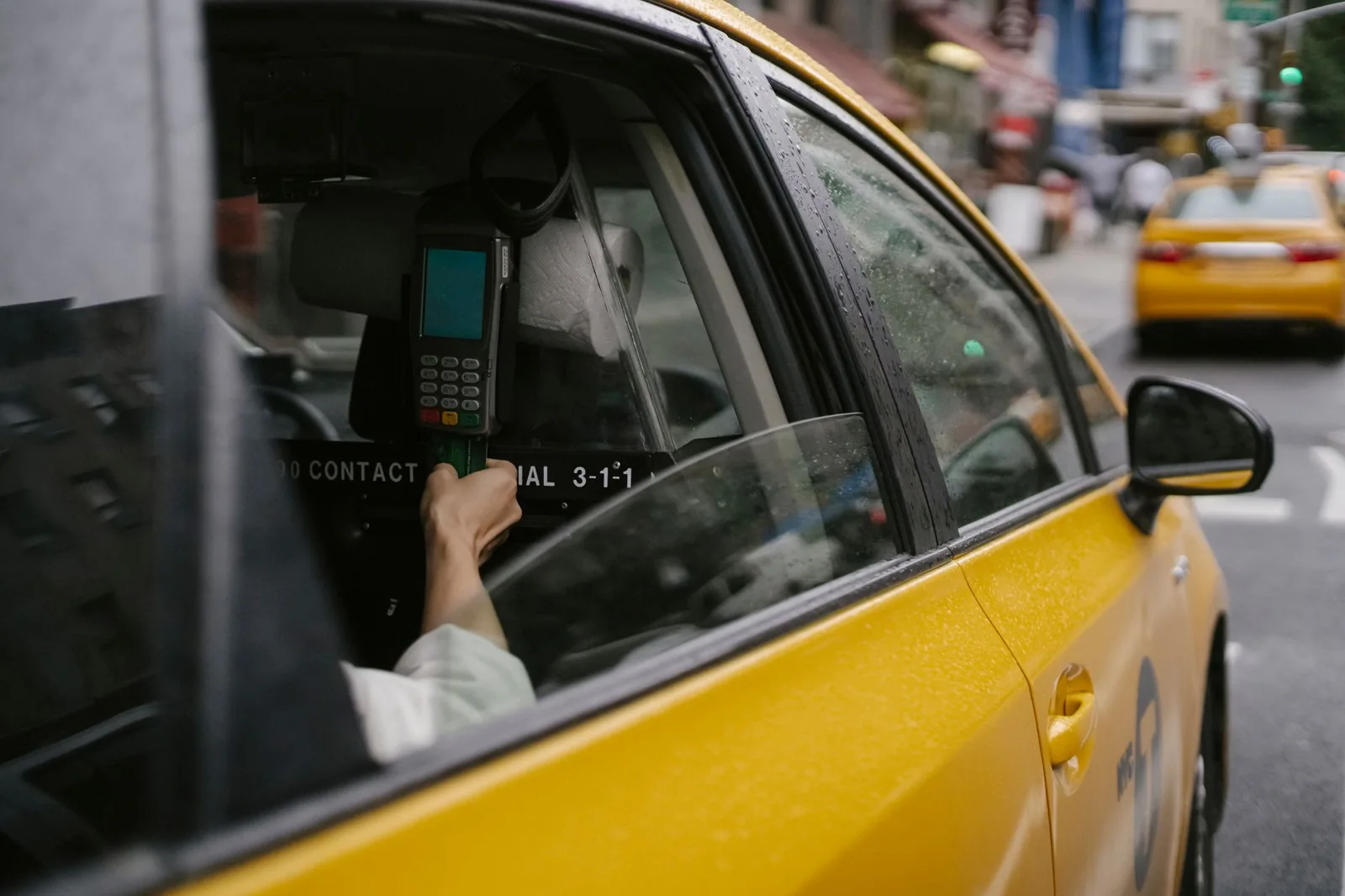
Credit card rental insurance — technically called “collision damage waiver” or “loss damage waiver” — is a secondary benefit baked into many travel and rewards cards. When you decline the rental company’s damage waiver and pay for the entire rental with that card, the card issuer will reimburse you for physical damage to, or theft of, the rental car itself.
The key word is secondary. In most cases, your credit card coverage only kicks in after your personal auto insurance has paid out its share. If you don’t own a car or your policy doesn’t cover rentals, the card steps up as primary coverage. That distinction matters enormously when you file a claim, so pin down which type your card offers before you drive off.
Coverage limits vary by card. The Chase Sapphire Preferred and Reserve provide primary coverage up to $75,000 in most countries. The Capital One Venture X, Venture Rewards, and many Visa Infinite cards do the same. Amex offers a broader “Premium Car Rental Protection” as a paid add-on — around $12.95 to $24.95 per rental, not per day — that acts as primary coverage up to $100,000.
Most standard cards in these programs exclude a handful of vehicle types. If you’re renting a moving van, a cargo truck, a motorcycle, or an “exotic” car (think high-end sports cars and some luxury SUVs), expect the coverage not to apply. They also generally exclude rentals in a few countries — Ireland, Israel, and Jamaica are the commonly cited ones, so check the issuer’s benefit guide if you’re headed there.
What Credit Card Coverage Usually Skips
Here’s where the fine print matters. Credit card collision coverage is narrower than what the rental counter sells you, and the gaps are specific:
- Liability — if you hit another car or injure someone, your card does not pay the other driver’s bills or your legal defense.
- Personal injury and medical costs — your own passenger medical expenses aren’t covered by the card’s collision benefit.
- Personal property — a smashed window and a stolen laptop are on you (or your homeowners/renters policy), not the card.
- “Loss of use” and administrative fees — the rental company’s claim for the income it lost while the car was in the shop is the most contested charge. Mastercard coverage drops loss-of-use in most cases; Visa largely reimburses it in the U.S.; Amex has historically covered it, but coverage varies by card and state.
- Towing and storage — small but real when a car breaks down far from a branch.
The big picture: your card protects the car. It does not protect you or other people. That’s the gap the rental desk is referring to when they warn you that your card “doesn’t cover everything.”
When Card Coverage Is Enough
For a surprising number of trips, using your credit card alone is plenty. The clearest case: you have strong personal auto insurance that already extends collision and liability coverage to rental cars, and your card’s collision benefit fills in any deductible gap.
A few scenarios where you can confidently skip the counter:
- Domestic U.S. rentals where your own auto policy covers rentals and your card pays the collision deductible.
- Rentals booked with a primary-coverage card like the Chase Sapphire line or Capital One Venture X, where the card is first in line with no call to your personal insurer.
- Short, low-risk city trips where the car spends most of its time parked and your existing coverage is solid.
- Anyone with an umbrella liability policy, which can cover the liability exposure the card doesn’t.
The common thread: your own auto insurance plus your card’s collision benefit together cover most of what the counter policy covers — often for $0 instead of $25 a day.
Car Rental Insurance vs Credit Card: A Side-by-Side Comparison
The cleanest way to see the difference is to line the two up. Here’s what each option actually pays for:
| Factor | Credit Card Coverage | Rental Company Counter Policy |
|---|---|---|
| Cost | $0 (built into your card) | $10–$35/day, often more |
| Damage to the rental car | Yes (up to card limit) | Yes |
| Theft of the rental car | Yes (up to card limit) | Yes |
| Liability for others | No | Usually included |
| Personal / medical coverage | No | Often included |
| Loss-of-use fees | Sometimes | Yes |
| Claims process | You pay first, then file | Handled at the counter |
| Deductible | Your personal policy’s | Usually $0 |
The takeaway from the table: if you already carry personal auto insurance, the counter’s collision waiver is often redundant with your card’s coverage. The counter policy’s real value is the convenience — you hand back the keys and walk away — plus the liability and medical parts your card doesn’t carry.
When to Buy the Counter’s Coverage
There are a handful of situations where paying for the rental company’s policy actually makes sense, and it’s usually about risk and paperwork, not just price.
You don’t own a car. If you have no personal auto policy at all, your card’s collision benefit becomes your only coverage for the car — and even then, only if the card is primary. A counter policy rounds out the liability and medical gaps in one bundle.
You’re renting abroad. Card coverage excludes certain countries, and international accident reporting gets complicated fast. In places like Ireland or New Zealand, taking the full counter waiver can be the difference between a stressful day and a nonevent. For a deeper look at what changes internationally, see how much rental car insurance you actually need.
You’re driving in rough terrain. Gravel roads, snow, or off-route driving void many card policies. If the itinerary involves anything beyond paved roads, the counter policy’s terms are more forgiving.
The hassle isn’t worth the savings. Filing a card claim means you lay out cash up front, gather a police report and the rental agreement, and wait weeks. If a $200 rental is at stake and the counter waiver is $90, some people just buy the peace of mind.
You want loss-of-use fully covered. If your card is a Mastercard and you’re worried about a long repair shop timeline, the counter policy closes that specific gap.

How to File a Credit Card Claim
If you rely on your card and something happens, the process is disciplined and slow. Doing it in the right order keeps the claim alive:
- Report the damage to the rental company immediately. Get a copy of the incident report and the repair estimate before you leave the lot or branch.
- Call your card’s benefits administrator — Visa’s, Mastercard’s, or Amex’s — within the filing window, which is usually 30 to 60 days from the incident.
- Pay the bill with the same card you used to rent. Most issuers won’t reimburse money you haven’t actually paid.
- Submit the packet: the rental agreement, the incident report, the repair invoice, photos of the damage, and proof your personal insurer (if any) has processed the claim.
- Keep every receipt for towing, storage, or police reports, since those are reimbursed separately if your card allows.
The single biggest reason card claims get denied is waiting too long to start them. Note the claim deadline the day you pick up the car.
Frequently Asked Questions
Does my credit card really cover rental car insurance?
Most Visa, Mastercard, and American Express cards issued today include some form of collision damage waiver when you pay for the rental with that card and decline the counter’s waiver. It’s a real benefit, but it’s narrower than the counter policy — read the terms.
Is credit card rental coverage primary or secondary?
It depends on the card. Most standard cards are secondary, meaning they pay only after your personal auto insurance. Cards like the Chase Sapphire Preferred and Reserve and Capital One Venture X offer primary coverage in most countries, so they pay without involving your own insurer.
What doesn’t my credit card cover?
Liability, medical payments, personal property in the car, and often loss-of-use fees are the main exclusions. Your card is for damage to or theft of the rental vehicle itself.
Should I still buy the rental counter’s insurance?
Not usually if you have personal auto insurance and a solid card. Buy it when you have no personal policy, are renting abroad, or want to avoid the paperwork and waiting that a card claim involves.
What’s the cheapest way to cover a rental car?
For most drivers, the cheapest route is declining the counter and pairing your own auto policy with a card that offers primary collision coverage. If you need more certainty, a card’s flat-fee add-on (like Amex Premium Car Rental Protection) often beats a $25-a-day counter waiver. For more on trimming the cost, see getting the best price on rental car insurance.
The Bottom Line
Car rental insurance vs credit card coverage isn’t a question with one universal answer — it’s a question about your situation. If you have personal auto insurance and a card with solid collision protection, you can usually decline the counter and keep your money. If you don’t own a car, you’re renting overseas, or you’d rather hand the keys back and never think about it again, the counter policy earns its price.
Check two things before your next rental: whether your card’s coverage is primary or secondary, and whether your own auto policy extends to rentals. Once you know both, the decision at the counter takes ten seconds instead of a cloud of anxiety. For a closer look at another comparison, read our breakdown of car rental insurance vs personal auto insurance, and check NerdWallet’s guide to rental car insurance and The Points Guy’s credit card coverage explainer for the issuer-by-issuer details.