Adventure Tourism vs Ecotourism: Which Trip Style Is Right for You?
Adventure tourism vs ecotourism is one of those comparisons travelers trip over constantly. Both sound like they mean “going somewhere outdoorsy,” and both are booming segments of a travel industry still climbing back past pre-pandemic levels. But they are not the same thing, and booking the wrong one can leave you zip-lining in a jungle you wanted to help protect — or staring at a mangrove boardwalk when you really wanted to feel your heart rate climb.
The short version: adventure tourism is about what the trip does to you — adrenaline, challenge, novelty. Ecotourism is about what the trip does to the place — conservation, low impact, community benefit. Plenty of trips blend both, and that overlap is exactly where a lot of the confusion lives.
This guide breaks down the two styles side by side, with real destinations, real price ranges, and a practical way to decide which one your next vacation actually needs.
What Is Adventure Tourism?
Adventure tourism is travel built around physical activity, risk (managed, usually), and leaving your comfort zone. The UN World Tourism Organization defines it as trips that include at least two of three elements: physical activity, a connection to nature, and cultural immersion. In practice, it runs from soft to hard.
Soft adventure is the accessible end: guided hikes, kayaking, cycling tours, snorkeling. You need basic fitness and a decent pair of shoes. Hard adventure means technical skill and real consequence — mountaineering, whitewater rafting on Class IV rapids, backcountry skiing, multi-day trekking at altitude.
What defines it in the market is the activity, not the place. You can do adventure tourism in Iceland, in Costa Rica, or in a commercial climbing gym a mile from your house, though most people travel for the scenery that comes with it.
Typical adventure trips and rough price points:
- Guided trekking in Peru’s Cordillera Huayhuash: $1,800–$3,200 for 8–10 days
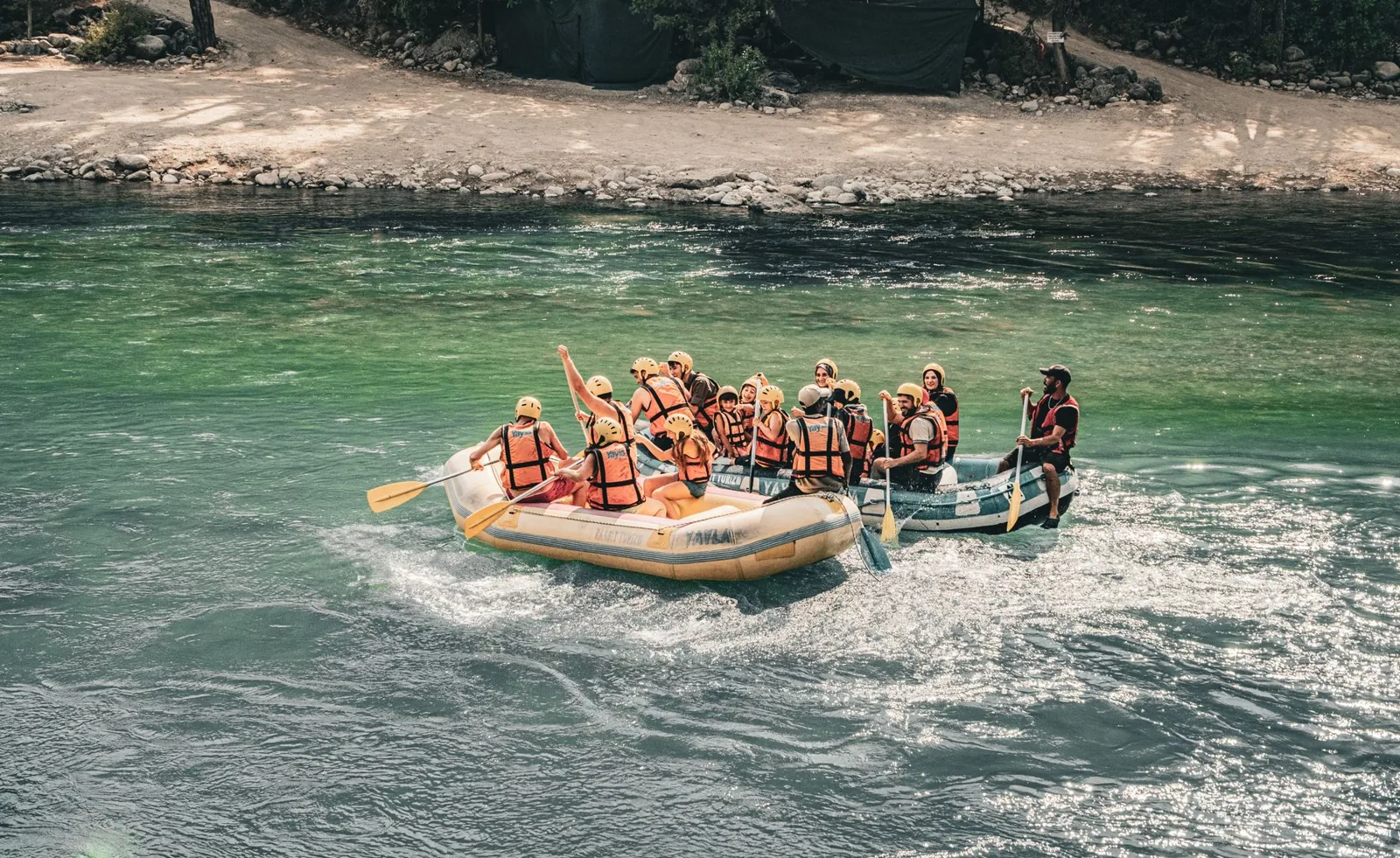
- Whitewater rafting on the Futaleufú River in Chile: $250–$450 per day with an outfitter
- Sea kayaking in Norway’s Lofoten Islands: $150–$280 per day guided
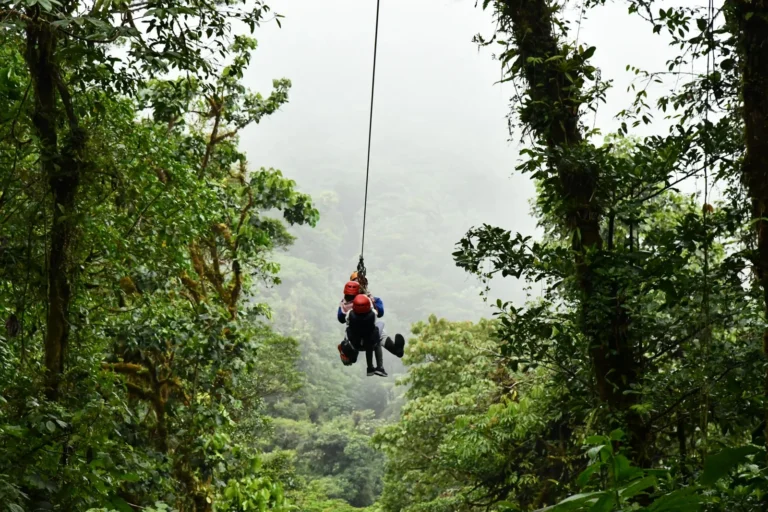
- Canyoning and zip-lining in Costa Rica: $80–$150 for a half-day combo
- Mount Everest Base Camp trek: $1,400–$3,500 for 12–16 days, depending on group size and porters
The appeal is straightforward: progress, fear managed well, and stories at dinner. The environmental footprint is more of an afterthought, and that’s the honest tension between the two styles.
What Is Ecotourism?
Ecotourism flips the priority. The International Ecotourism Society defines it as “responsible travel to natural areas that conserves the environment, sustains the well-being of local people, and involves interpretation and education.” The through-line is the place comes first.
That means low-impact lodging, guides who live in the region, a portion of fees going to conservation or local wages, and an educational component — you leave understanding something about the ecosystem you would not have known otherwise. It often runs on a smaller scale than mass tourism by design.
Real examples of what ecotourism looks like on the ground:
- Staying at a solar-powered ecolodge in Ecuador’s cloud forest, with resident naturalist guides
- A small-group Galápagos cruise capped at 16 passengers, with funds directed to the national park
- Community-run homestays in Costa Rica’s Osa Peninsula instead of an international resort
- A certified whale-watching tour in Baja California with strict approach-distance rules
- A rewilding-adjacent safari conservancy in Kenya where lodge fees fund anti-poaching rangers
Costs are not automatically higher, but they sit at a premium because scale is intentionally limited. A well-run ecolodge in a biodiverse hotspot can run $180–$450 per night, while a comparable conventional hotel nearby might be $90–$160. You are paying, in part, for the restraint.
Ecotourism also has a credibility problem worth naming: “eco” is an unregulated marketing word. Any lodge can slap it on a brochure. Genuine operations point to third-party standards — the Global Sustainable Tourism Council, Rainforest Alliance certification, or membership in organizations like Long Run — rather than just green-tinted branding.
Adventure Tourism vs Ecotourism: The Key Differences
The cleanest way to see the split is on a factor-by-factor basis. Here is how the two compare head to head.
| Factor | Adventure Tourism | Ecotourism |
|---|---|---|
| Primary goal | Adrenaline, challenge, achievement | Conservation and minimal impact |
| Relationship to risk | Embraces managed risk | Minimizes risk to the ecosystem |
| Center of attention | The traveler’s experience | The destination’s wellbeing |
| Accommodation style | Anything, from tents to luxury lodges | Low-impact ecolodges, homestays, small scale |
| Group size | Varies widely | Usually small by design |
| Education component | Optional | Core to the definition |
| Certification | Rarely relevant | Central; look for GSTC or Rainforest Alliance |
| Typical cost driver | Gear, guides, safety equipment | Limited capacity + conservation fees |
| Who it’s best for | Thrill-seekers and achievement travelers | Travelers who want impact-neutral or impact-positive trips |
| Footprint | Can be significant (travel to remote zones) | Actively reduced and sometimes offset |
Notice the overlap: both happen in nature, both often involve activity, and both rely on guides. The difference is the ordering of priorities, and that ordering drives everything else about the trip — price, group size, lodging, and what you’re actually asked to care about.
A useful mental test: ask what the trip is for. If the answer is about how you’ll feel or what you’ll accomplish, it leans adventure. If the answer is about what the destination gets out of the arrangement, it leans eco.
Where the Two Overlap (and Where They Don’t)

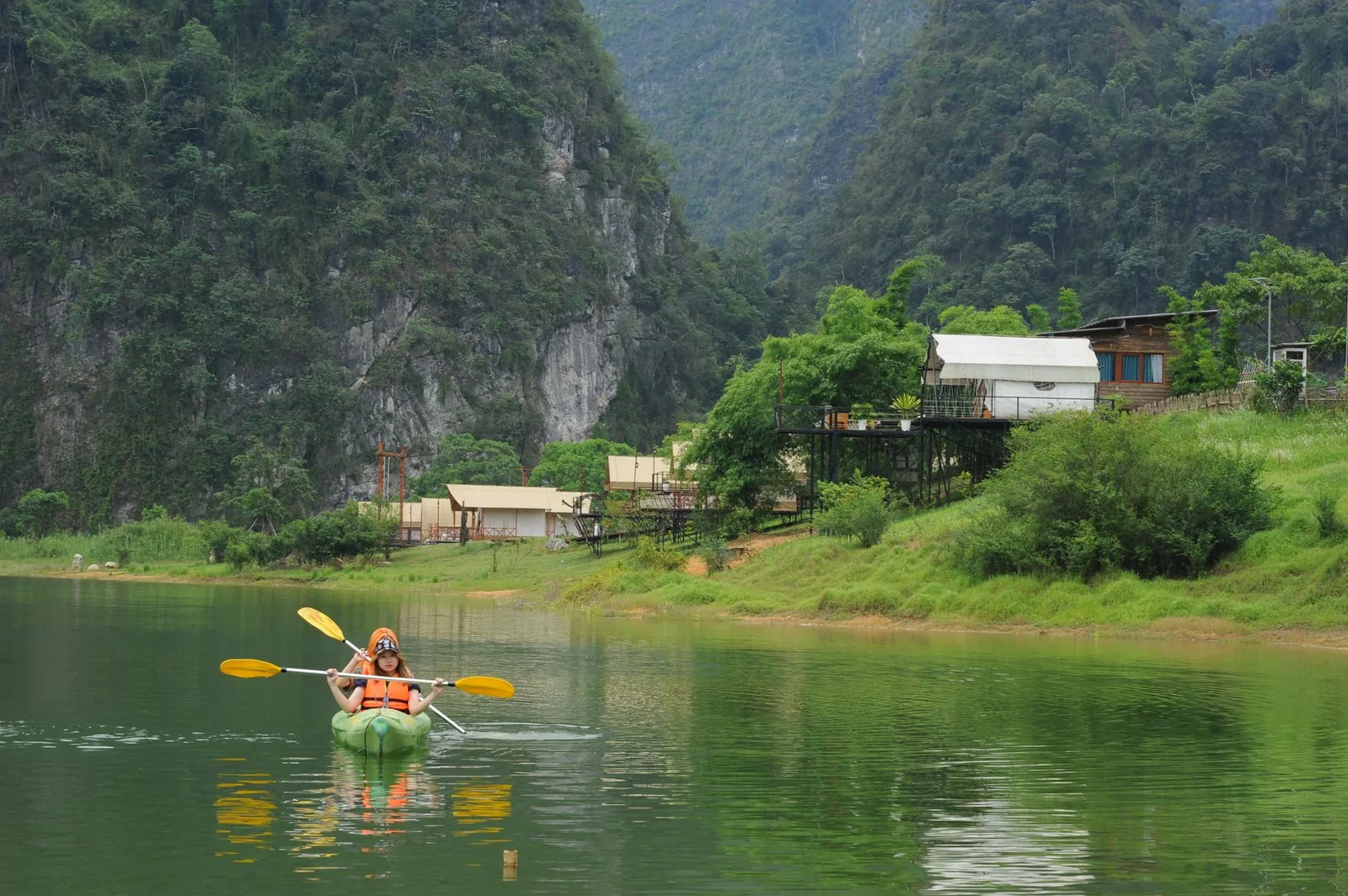
The truth is the boundary is fuzzy, and the best trips often straddle it. Costa Rica — which built a national brand on both — is the textbook example. You can whitewater raft the Pacuare River in the morning and sleep at an off-grid ecolodge that night. Many of the country’s top operators hold Rainforest Alliance certification and run genuinely technical activities.
That hybrid shows up elsewhere too:
- Trekking lodges in Nepal that are solar-powered and employ local Sherpa families year-round
- Dive operators in Raja Ampat that enforce strict reef-contact rules while running technical drift dives
- Safari conservancies in Kenya and South Africa where the game drive is an adventure and the land management is conservation
But do not assume overlap automatically. A helicopter-drop heli-skiing operation in British Columbia is adventure tourism with a heavy carbon and noise footprint, no matter how “pristine” the setting looks in the marketing. A birdwatching boardwalk in Costa Rica with a $15 entry fee funding the reserve is ecotourism, however unglamorous it sounds. The activity is not the tell — the operating model is.
How to Decide Which Style You Should Book
The choice usually collapses to three questions.
1. What do you want the feeling of the trip to be?
If your dream is “I’ve never done anything like that” and your fitness can back it up, lean adventure. If your dream is “I want to see this place and leave it better than I found it,” lean eco.
2. What’s your budget reality?
Both can be expensive, but the levers differ. Adventure costs scale with gear, safety, and guide-to-client ratios (rafting and mountaineering need more guides per guest). Ecotourism costs scale with deliberately low capacity and conservation levies. A budget is not disqualifying for either: day-hike-based trips and community homestays are among the cheapest quality travel out there.
3. How much does environmental impact weigh on you?
This is the honest differentiator. Adventure tourism, especially the international-flight-plus-gear variety, is not low-impact by default. Ecotourism is defined by trying hard to be. If you fly a lot but still care, look for operators offsetting and holding real certification rather than pretending the label alone fixes it.
For a gut check on both styles’ price behavior across destinations, our guides on how much a backpacking trip costs and adventure tours in Costa Rica prices break down the actual numbers. If you’re comparing operators for any multi-day trip, a best travel price comparison site can help you spot which outfits are padding and which are not.
Frequently Asked Questions
Is ecotourism the same as adventure tourism?
No. They overlap, but they are defined by different priorities. Adventure tourism is about activity, challenge, and personal experience; ecotourism is about conservation, low impact, and community benefit. A trip can be both, one, or neither.
Do you have to be fit for ecotourism?
Not necessarily. Much ecotourism is low-exertion — boardwalks, boat-based wildlife viewing, guided interpretive walks. What you need is patience and an interest in the ecosystem more than raw fitness. Adventure tourism is the one that tends to demand conditioning.
Is ecotourism always more expensive?
Usually, but not always. Ecolodges and small certified operators carry higher per-night prices because capacity is limited. However, community homestays and self-guided nature reserves can be among the cheapest trips you can take. The premium comes from restraint, not luxury fixtures.
How can I tell if an “eco” tour is legitimate?
Look for third-party verification, not adjectives. The Global Sustainable Tourism Council, Rainforest Alliance, and Long Run are credible markers. Ask a specific question: “What percentage of the fee goes to conservation or local wages, and who audits that?” Operators with real practices answer quickly and with numbers.
Does adventure tourism harm the environment?
It can. The travel to reach remote zones is typically the largest single impact, followed by trail erosion, wildlife disturbance, and waste from gear and logistics. Well-run outfits mitigate it (leave-no-trace protocols, small groups, local permits), but adventure tourism is not inherently low-impact the way ecotourism attempts to be.
The Bottom Line
Adventure tourism vs ecotourism is less a rivalry and more a reminder to read the fine print on what you’re booking. If you want your heart rate up and your legs sore, book adventure and be honest about the footprint. If you want your dollars to fund a place’s survival, book eco and verify the certification rather than trusting the label.
The best move is usually to look for the overlap first: operators in a destination like Costa Rica or Nepal who run real activities under genuine sustainability standards give you the adrenaline and the cleaner conscience in one booking. And before you lock anything in, a resource like Lonely Planet’s guide to sustainable travel is worth ten minutes for the destination-specific scouting questions, and U.S. News’ adventure travel hub is a solid reality check on what “adventure” actually costs and requires.
Whichever you choose, the test is the same one you’d apply to any purchase: know what you’re actually getting, and what the getting costs the place. Answer those two questions and you’ll rarely book the wrong trip.