Adventure Tours Costa Rica Prices: What You’ll Really Pay in 2025
If you’re pricing a trip to Costa Rica, you already know the country sells itself — volcanoes, cloud forests, two coastlines, and more waterfalls than you can count. What surprises most first-timers is how much the actual activities add to the bill. Adventure tours Costa Rica prices are not the budget afterthought many travelers assume. A week of rafting, ziplining, and ATV runs can rival the cost of your flights.
Here’s the honest math. A half-day zipline tour runs roughly $45 to $90 per person. Whitewater rafting lands between $70 and $110 a day. Multi-day combo tours — the kind that bundle transport, guides, meals, and three or four sports — start around $350 and stretch past $1,500 for a long weekend. Plan for adventure activities to eat $100 to $200 of your daily budget once you’re on the ground.
The good news is that these prices are stable, predictable, and largely fixed by tier. Below is a full breakdown of what each type of adventure tour costs, what’s included, and where the markup actually comes from — so you can book without overpaying or getting caught out by a surprise “park fee” at the trailhead.
How Adventure Tour Pricing Works in Costa Rica
Understanding adventure tours Costa Rica prices starts with knowing what you’re actually paying for. Unlike a hotel rate or a bus ticket, a tour price bundles several distinct costs that most visitors never see itemized.
The guide and insurance. Costa Rica’s tourism authority (ICT) requires licensed, certified guides for most commercial adventure activities. That certification costs time and money, and it’s built into your rate. Operators also carry liability insurance, which is mandatory and not cheap.
Transport and park entry. National parks and private reserves charge per-person entry — often $12 to $25 — and many tours include a 4×4 shuttle to reach the trailhead. On multi-day trips, this is where a big chunk of the budget goes.
Equipment and maintenance. Rafts, kayaks, zip lines, harnesses, bikes, and helmets all need inspection and replacement. Ropes on commercial canopy tours are retired on strict schedules. That upkeep is amortized into every ticket.
The season. December through April (dry season) is peak demand, and prices run 15% to 25% higher than the May-to-November green season. Some operators run two price sheets depending on the month.
A useful rule of thumb: if a tour is suspiciously cheap, check whether park entry and transport are actually included. Many budget listings quote a “base” rate and add $40 to $60 in mandatory fees at checkout.
What Different Adventure Tours Cost
Here’s the real range for the most popular adventure activities, based on current operator pricing as of late 2025.
| Adventure Type | Typical Price (Per Person) | Usually Included |
|---|---|---|
| Zipline / canopy tour | $45 – $90 (half day) | Harness, guides, safety briefing |
| Whitewater rafting (Pacuare or Sarapiquí) | $70 – $110 (full day) | Transport, lunch, guide, gear |
| ATV or off-road tour | $65 – $120 | Bike, helmet, guide, sometimes snacks |
| Canyoning / waterfall rappelling | $80 – $120 | Gear, guides, transport |
| Surf lesson (group) | $45 – $70 | Board, rashguard, 2-hour instruction |
| Multi-day adventure combo | $350 – $1,500+ | Lodging, meals, transport, multiple sports |
Ziplining is the cheapest entry point and the most standardized. Rafting on the Pacuare River is widely considered the best value because lunch and a full-day guide package are almost always included. ATV tours vary the most — a two-hour ride can cost more than a full rafting day once you add fuel and single-rider supplements.
Hidden Costs Worth Watching
- Solo supplement. Some combo tours charge 20% to 40% extra for single travelers.
- Park fees added later. Always ask “is the entrance fee included?” explicitly.
- Tip expectations. Guides work on modest base pay; 10% to 15% is standard and often expected at the end of a multi-day trip.
- Tax. The 13% VAT (IVA) is usually included in quoted rates, but confirm before you pay cash.
Ziplining and Canopy Tours: The Budget Baseline
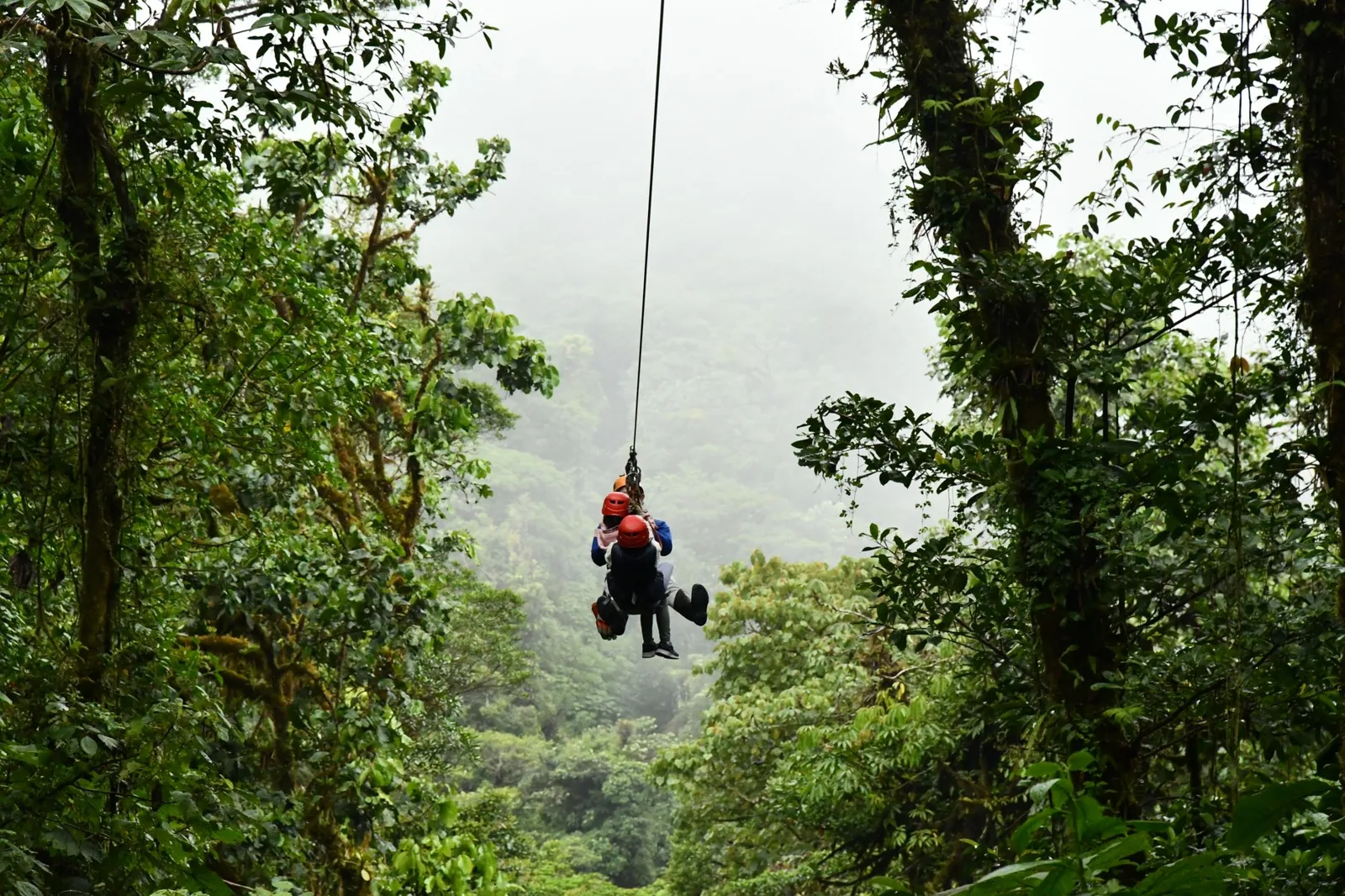
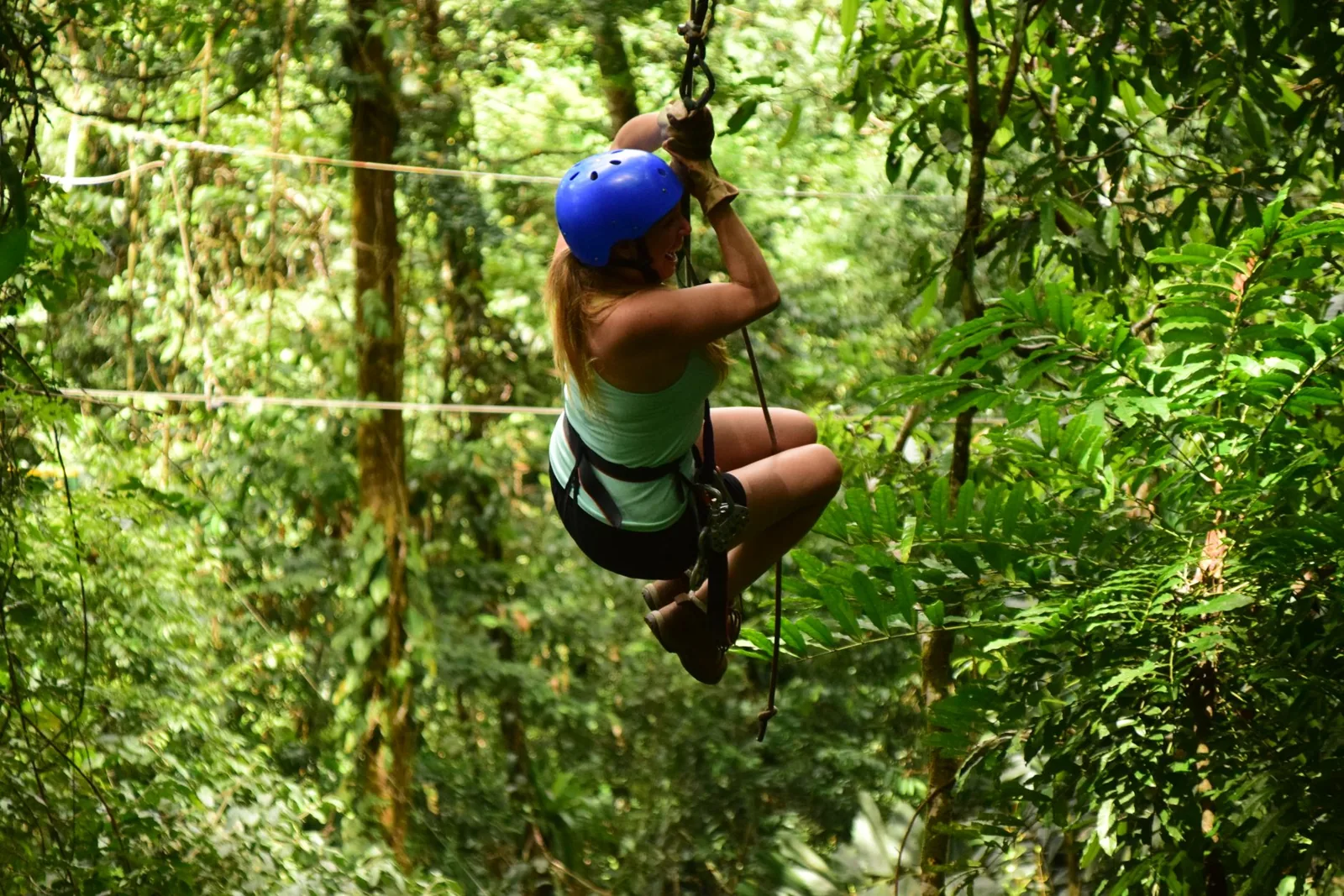
If you only book one adventure activity, ziplining is the one every first-timer does — and it’s the most predictable line item on the trip. A standard canopy tour at a top-rated site like Monteverde or Arenal runs $45 to $90 depending on the number of cables, the length of the lines, and whether transport is bundled.
Monteverde’s legendary cloud-forest ziplines sit at the higher end because the courses are longer and the setting is more remote. Arenal offers more operators competing for the same customers, which keeps base prices slightly lower. Expect to pay toward $90 when a tour includes the “superman” line, a Tarzan swing, or hotel pickup.
What you get for the money: a certified guide, a harness and helmet, a safety briefing, and usually a trail walk between platforms. Photos are almost always an extra $25 to $40 — a revenue lever every operator uses, and one you don’t need to buy.
Whitewater Rafting: The Best Value in the Country
For the money, rafting delivers more hours of guided adrenaline per dollar than anything else in Costa Rica. A full day on the Pacuare River — consistently ranked among the best rafting rivers on Earth — costs $70 to $110 and includes transport from San José or Turrialba, a certified river guide, all gear, and a proper lunch.
That’s six hours of activity for roughly the price of a two-hour ATV rental. The Pacuare runs Class III to IV rapids through a roadless canyon, and many outfitters offer a two-day overnight version ($250 to $400) that includes riverfront lodging. The Sarapiquí and Reventazón are cheaper alternatives, coming in at $60 to $90 for a half-day or full-day trip with easier logistics.
Multi-Day Adventure Combo Tours
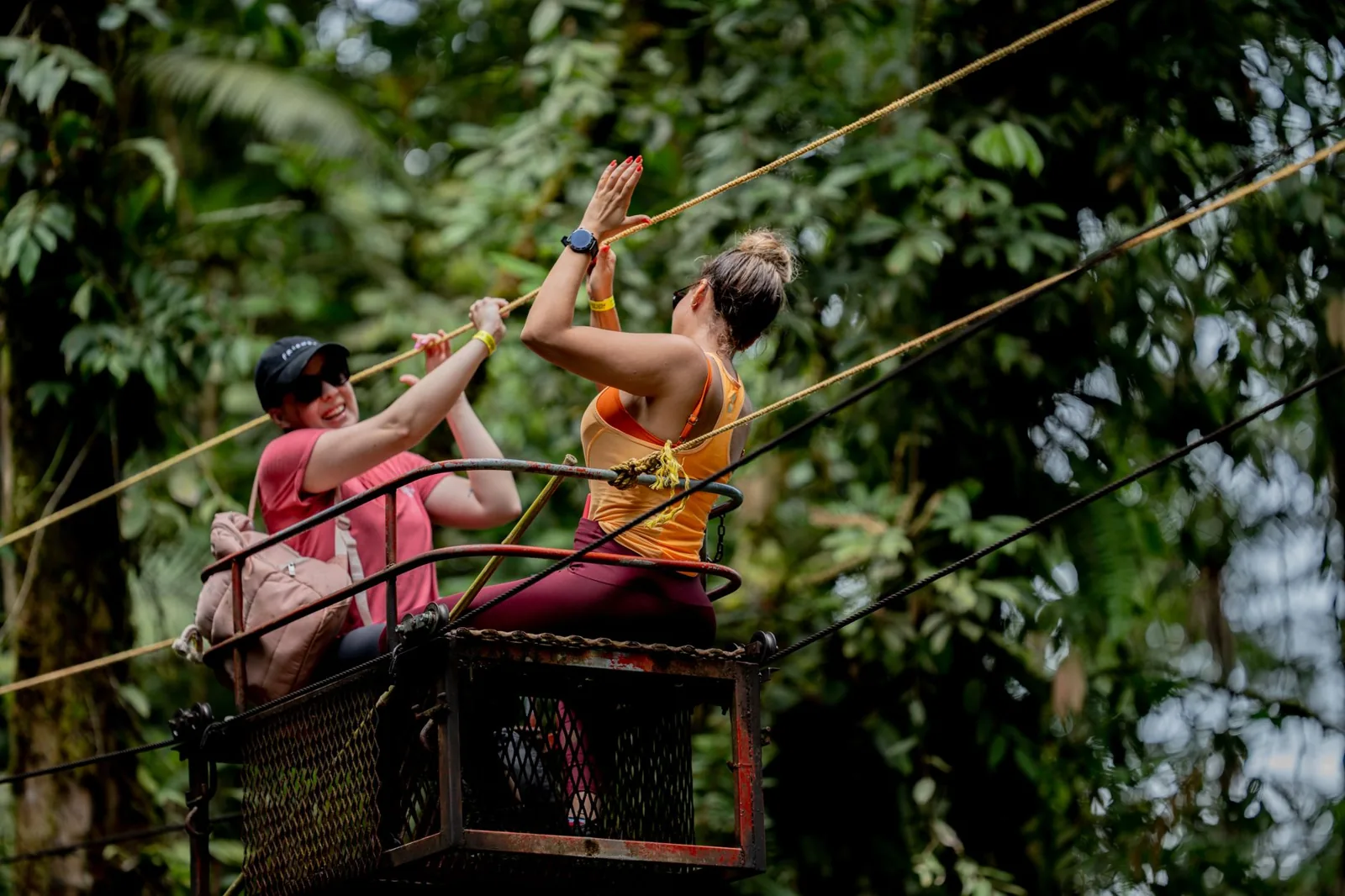
This is where adventure tours Costa Rica prices climb fast — and where travelers most often overpay by booking everything separately. A multi-day combo packages transport, lodging, meals, guides, and three or four activities (typically rafting, ziplining, canyoning, and a volcano hike) into one price.
Expect to pay $350 to $600 for a two-day package and $900 to $1,500+ for a four-day expedition with nicer lodging. Compare that to booking à la carte: two-days of activities, two nights of a hotel, and six meals bought separately often lands within 10% of the package price — but the package saves you the logistics and the taxis.
The tradeoff is flexibility. Packages lock you into a fixed itinerary and a fixed group. If you’d rather paddle a calmer river or skip the 5 a.m. volcano hike, à la carte gives you that control. For most first-time visitors, though, the bundled route is the better deal once you factor in the time spent coordinating everything yourself. Our guide to the best travel price comparison tools online can help you spot whether a bundle is actually cheaper than self-booking.
How to Keep Adventure Tour Costs Down
Costa Rica is not a dirt-cheap destination, but there are proven ways to trim the tour bill without cutting the fun.
- Travel in the green season (May–November). Prices drop 15% to 25%, crowds thin out, and mornings are usually clear before afternoon rain.
- Book directly with operators. Skirting third-party booking platforms often saves 10%, and local operators are responsive on WhatsApp.
- Bundle two activities with one outfitter. Most companies offer a 15% to 20% discount for a rafting-plus-zipline package.
- Ask about transport. Hotel pickup is worth the convenience, but if you have a rental car, the “meet at the base” rate is meaningfully cheaper.
- Skip the photo packages. The $30 photo USB is pure margin; bring a waterproof phone pouch instead.
- Pay in local currency where possible. Some operators quote in USD but charge a worse exchange rate for card payments in colones.
For a deeper look at whether the spend is worth it, see our breakdown of adventure tourism vs ecotourism — the activity mix and the price logic are closely related. And if you’re stringing together a longer Central America route, how much a backpacking trip costs puts these tour prices in a full-trip context.
For current benchmarks and deeper how-to detail, the team at Lonely Planet keeps regularly updated reference guides worth bookmarking.
Frequently Asked Questions
What is the average cost of an adventure tour in Costa Rica?
A half-day activity like ziplining or a surf lesson averages $45 to $90 per person. Full-day tours such as whitewater rafting or canyoning run $70 to $120. Most travelers budget $100 to $150 per day for one guided adventure activity.
Are adventure tour prices cheaper in Costa Rica’s rainy season?
Yes. From May to November, many operators drop rates by 15% to 25%. The tradeoff is afternoon rainfall, but morning tours almost always run as scheduled, and you’ll share the river or canopy with far fewer people.
Do adventure tour prices include national park entrance fees?
Sometimes, but not always. Budget listings frequently quote a base rate and add $12 to $25 in park or reserve entry fees at checkout. Always confirm in writing that the entrance fee and taxes are included before you hand over a deposit.
Should I book adventure tours in advance or on arrival?
Book the flagship activities — Pacuare rafting and popular zipline courses — in advance during peak season (December–April). For everything else, you can often negotiate a small discount or bundle deal by booking directly with the operator once you’re in the country.
Is travel insurance required for adventure tours?
Operators generally don’t require it, but river rafting and canyoning carry real risk, and Costa Rica’s public healthcare won’t cover a private evacuation. A proper travel insurance policy with adventure-sport coverage is worth the $30 to $60 it adds to a two-week trip. Start with our comparison of the best adventure travel insurance.
The Bottom Line
Adventure tours Costa Rica prices are higher than many travelers expect, but they’re transparent once you know the structure. Budget $45 to $90 for a half-day activity, $70 to $120 for a full-day one, and $350 to $1,500+ if you want a multi-day guided expedition. The single biggest lever on the price is when you go — a green-season traveler pays 15% to 25% less than someone booking the same tour in February.
The smart approach is to lock in one or two must-do activities in advance, then book the rest directly with local operators once you’re on the ground. Skip the photo packages, confirm that park fees are included, and compare the bundle against à la carte pricing using a proper travel price comparison site. Do that, and the tour bill becomes one of the more predictable parts of a trip to one of the world’s great adventure playgrounds.