
Best Adventure Travel Insurance: Top Providers for 2025 Coverage
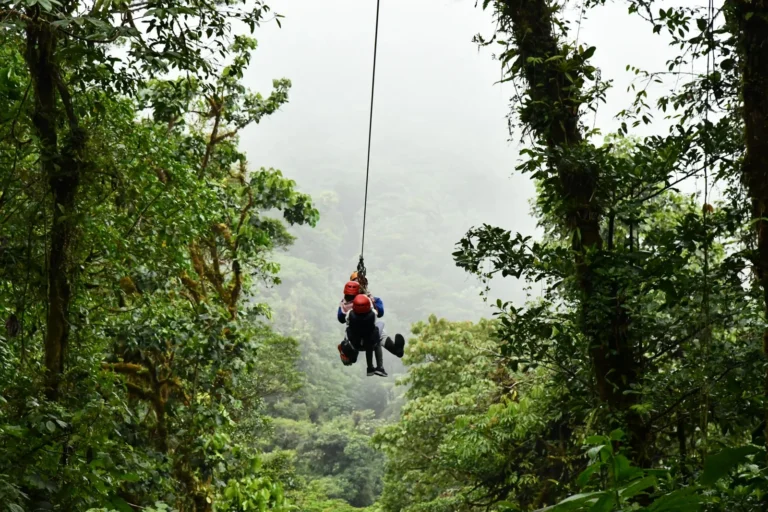
The best adventure travel insurance is the one that actually pays out when a trek in the Himalayas goes sideways or a scuba dive in the Philippines takes an unexpected turn. Standard travel insurance covers lost bags and canceled flights, but most policies quietly exclude the very activities that define an adventure trip — rock climbing, backcountry skiing, whitewater rafting, or anything involving an engine and a hint of risk. Understanding that gap before you buy is the difference between real protection and a wasted premium.
A fractured ankle on a remote trail in Patagonia can cost $50,000 or more in evacuation and treatment once helicopters and private clinics enter the picture. Adventure-specific policies extend your coverage into that territory, and they are often cheaper than people assume — commonly between $60 and $180 for a two-week trip, depending on age, destination, and trip cost. This guide breaks down what adventure coverage actually includes, what it still excludes, and which providers deliver the most value in 2025.
What Adventure Travel Insurance Actually Covers
Adventure policies build on a standard travel insurance base and layer on coverage for higher-risk activities. The base typically includes trip cancellation and interruption, emergency medical expenses, medical evacuation, baggage loss, and trip delay. The adventure layer is where the real value sits.
- Emergency medical and evacuation: Medical coverage often runs from $100,000 to $500,000, with evacuation limits of $250,000 to $1 million. This is the line item that matters most in remote destinations.
- Activity-specific coverage: Hiking above a certain altitude, scuba diving beyond standard depth limits, and sports like skiing, surfing, or mountain biking are listed as covered — but almost always with conditions attached.
- Adventure sports equipment: Some policies cover rented or owned gear such as skis, dive computers, and climbing hardware, though limits are usually modest.
Where Altitude and Depth Matter
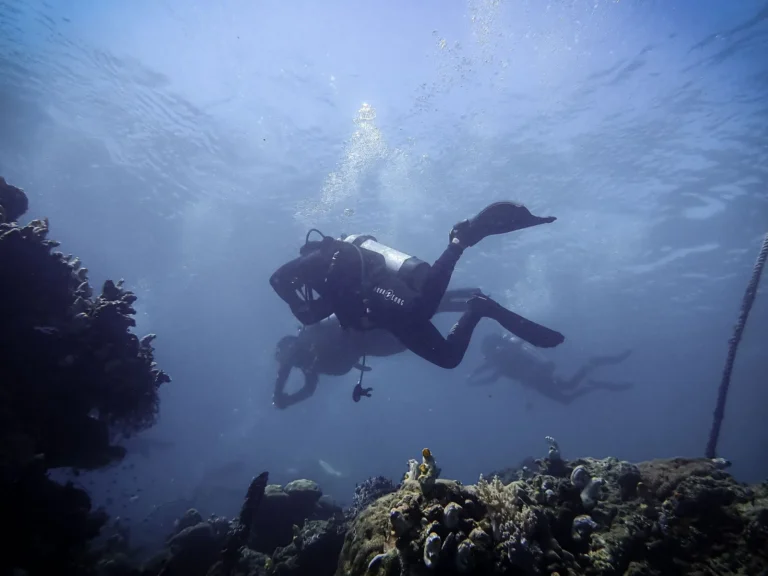
Two thresholds trip up more travelers than anything else. Most standard plans cap hiking coverage at 2,000 to 3,000 meters of altitude, which means a Kilimanjaro summit (5,895 m) or an Everest Base Camp trek (5,364 m) falls outside a basic policy. Likewise, scuba coverage typically requires a recognized certification and a maximum depth — often 30 meters — matching your certification level. If you plan either of these, confirm the altitude ceiling and depth limit in writing before you pay.
How Much Does Adventure Travel Insurance Cost?
Pricing is driven by age, trip length, destination, and total trip cost, with the adventure rider adding a modest premium over standard coverage. Actual quotes vary by the week, but realistic ranges for a two-week trip with a $3,000 trip cost look like this:
| Factor | Standard Policy | Adventure Policy |
|---|---|---|
| Typical cost (2-week trip, 35-year-old) | $50–$90 | $70–$180 |
| Medical coverage | $50,000–$500,000 | $100,000–$500,000 |
| Evacuation limit | Often $100,000–$500,000 | $250,000–$1,000,000 |
| Altitude cap for hiking | 2,000–3,000 m | Bundled or add-on |
| Scuba depth limit | Basic (often 30 m) | Varies by certification |
Older travelers and trips to higher-cost medical destinations such as the United States or Japan will push the quote toward the top of these ranges. Skiers and snowboarders over 60 often face steeper premiums, since orthopedic claims spike at that age.
For a sense of how these trip costs add up, our backpacking trip cost breakdown shows why the insurance line item is a rounding error compared to the rest of the budget. And if you are still comparing operators and packages before insuring, start with our guide to the best price tour packages to lock in the numbers your policy will need to cover.
What the Best Policies Exclude
No adventure policy covers everything, and the fine print is where travelers get caught. These are the exclusions that appear across almost every provider, including the top names.
- Professional or competitive sports: Traveling to race, compete, or climb as a paid professional is almost universally excluded. Coverage is for recreational participants.
- Prior conditions: Most plans exclude injuries tied to a pre-existing medical condition unless you buy a waiver within a short window of the initial trip deposit.
- Unapproved or named-hazardous activities: Base jumping, free soloing, and cave diving frequently appear on explicit exclusion lists even on adventure plans.
- Drug and alcohol involvement: Claims arising from an activity undertaken under the influence are routinely denied.

Choosing a Plan: What to Compare Line by Line
Shopping for adventure coverage is less about finding one “winner” and more about matching the policy terms to your exact itinerary. When you have quotes in front of you, work through this checklist before paying.
- The activity list, not the marketing: Search the policy wording for your specific sport by name. “Extreme sports” on the sales page means nothing if the contract lists exclusions 40 pages in.
- Evacuation ceiling and terms: Confirm whether evacuation is to the “nearest adequate facility” or “hospital of choice.” The difference can be a matter of life and limb in developing countries.
- Altitude and depth thresholds: Get the numbers in writing for any trip above 3,000 meters or below 20 meters of scuba depth.
- Pre-existing condition waiver deadline: Most providers require you to buy within 10 to 21 days of your first trip deposit to waive pre-existing condition exclusions.
- Adventure rider architecture: Some providers bundle sports coverage automatically, while others sell it as an optional add-on you must select at checkout.
Why Evacuation Limits Are the Number You Should Care About
If there is a single figure worth obsessing over, it is the medical evacuation limit. A helicopter evacuation from a backcountry location can run $20,000 to $50,000, and a medically supervised international repatriation flight can exceed $100,000. Policies that cap evacuation at $100,000 look generous until you realize how fast bedside-to-bedside transport burns through that budget.
The best adventure travel insurance providers treat evacuation as a core strength, with limits of $500,000 to $1 million and strong networks of pre-vetted medical transport partners. When you compare two quotes where one undercuts the other by $30, check the evacuation ceiling before celebrating the savings — that $30 often bought you six figures’ worth of transport headroom.

Which Providers Offer the Strongest Adventure Coverage in 2025
The market leaders for adventure and sports travel coverage are well established, and the gap between their offerings narrows every year. NerdWallet’s travel insurance reviews are a solid starting point if you want an independent breakdown of policy terms, while The Points Guy’s travel insurance guide covers how coverage interacts with points and credit card benefits.
Three standouts consistently appear in expert roundups for adventure travelers:
- World Nomads: Long the default for backpackers and adventure travelers, with flexible sports coverage and the ability to buy or extend a policy while you are already abroad.
- SafetyWing: Built for semi-nomadic travelers, with a subscription model that suits long-term digital nomads but narrower sports coverage than dedicated adventure riders.
- Travelex and Allianz: Strong mainstream options where adventure add-ons are sold as riders, often a better fit for one-off trips with a single high-risk activity.
Where you land depends on whether your trip is a two-week guided trek or a six-month multi-sport expedition. Match the provider to the trip shape, not the other way around.
How to File a Claim That Actually Gets Paid
The quality of a policy matters less than the quality of your documentation when a claim lands. Adventure claims are scrutinized harder than standard ones, because insurers want to confirm the activity was covered, recreational, and within the stated limits. Do this from day one:
- Keep every receipt and ticket for the activity — lift passes, dive shop logs, guide invoices, and booking confirmations.
- Document the incident at the time it happens: a written incident report signed by a guide or dive master is worth more than any field you fill out later.
- Call the insurer’s emergency line before arranging treatment whenever it is medically safe to do so, since many policies require pre-approval for hospitalization and evacuation.
- Retain your certification cards: Scuba claims hinge on proving you were diving within your certified depth, which is easy if you carry the card and hard if you do not.
Frequently Asked Questions
Does standard travel insurance cover adventure sports?
Generally no. Routine activities like snorkeling or easy hiking are often covered, but scuba beyond shallow depths, high-altitude trekking, skiing off-piste, and motorized sports are typically excluded from standard plans. You need an adventure policy or a sports rider.
What is the altitude limit on most travel insurance?
Most standard plans cap hiking and trekking coverage between 2,000 and 3,000 meters. If your itinerary climbs above that — Kilimanjaro, Everest Base Camp, Huayna Potosí — confirm the altitude ceiling on your specific policy before departure.
Is scuba diving covered by adventure travel insurance?
Usually yes, but with conditions. Policies typically require a recognized certification and limit coverage to a stated maximum depth, often 30 meters or your certified depth, whichever is shallower. Technical, cave, and solo diving are almost always excluded.
When should I buy adventure travel insurance?
Buy it within 10 to 21 days of your first trip deposit to preserve any pre-existing condition waiver and to lock in cancellation coverage for the full trip. Waiting until the week before departure forfeits both.
Does adventure insurance cover my gear?
Some policies include limited coverage for sports equipment such as skis, snowboards, and dive gear, but limits are typically low. For expensive gear, a separate equipment policy or homeowner’s rider often delivers better value.
The Bottom Line
The best adventure travel insurance is not a brand name — it is a policy whose altitude, depth, and activity terms match the trip you actually booked. Verify the specific sports by name, fixate on the evacuation ceiling, and buy within the waiver window to keep pre-existing conditions covered.
Before you insure anything, you need to know what the trip costs and how you are booking it. Run your numbers through a travel price comparison site, then protect the full prepaid amount with a policy that can evacuate you from the remotest corner of the itinerary. Adventure is the point — but only when you know a rescue is a phone call away, not a financial catastrophe.