How Much Does a Backpacking Trip Cost: A Real Budget Breakdown for 2026
How much does a backpacking trip cost? The honest answer is that it depends almost entirely on where you go, how long you stay, and how roughly you travel. A month in Southeast Asia can run you under $1,000 all-in, while the same month in Western Europe or the Pacific will push past $3,500 before you blink.
But “it depends” isn’t very useful when you’re sitting at home trying to decide whether you can actually afford to quit your job and buy a one-way ticket. So let’s put real numbers on it. Below is a working budget for a backpacking trip in 2026, broken down by region and by every major expense category, with concrete ranges you can actually plan against.
How Much Does a Backpacking Trip Cost Per Day?
Backpackers rarely think in total trip cost, because the total changes with every extra week. The number that matters is your daily burn rate. Here’s what experienced backpackers actually spend in 2026, covering accommodation, food, local transport, and basic activities.
| Daily Budget Tier | Southeast Asia | South America | Eastern Europe | Western Europe / ANZ |
|---|---|---|---|---|
| Shoestring (hostels, street food, buses) | $25–35 | $30–40 | $35–50 | $70–90 |
| Comfort (private rooms, restaurants, tours) | $45–60 | $50–70 | $60–80 | $120–160 |
| Total for 1 month | $750–1,800 | $900–2,100 | $1,050–2,400 | $2,100–4,800 |
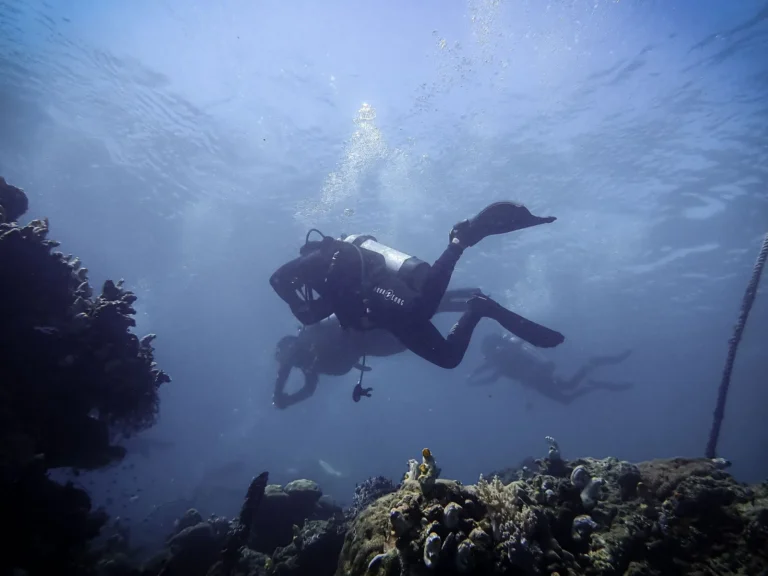
These figures assume you’re staying in dorm beds or cheap private rooms, eating where locals eat, and taking buses or budget airlines rather than last-minute cabs. Splurge days happen; a single scuba course in Thailand ($300–400) or a week on a sailboat in Colombia ($500+) will blow a shoestring daily average out of the water.
What Drives the Daily Number
- Region is the single biggest lever. The same backpacker lifestyle costs four times more in Copenhagen than in Chiang Mai.
- Season moves prices 20–40%. Hostel beds and flights spike in July–August and over Christmas/New Year.
- Travel speed matters more than people think. Moving every two days burns cash on transport and entry; staying put a week drops your daily cost sharply.
Transportation: Flights and Getting Around
For most people, the flight to the region is the largest single line item in the whole trip. A round-trip from the US to Bangkok runs $800–$1,300 in shoulder season; New York to London is $500–$800; and reaching Australia or New Zealand from North America rarely dips below $1,200. Book two to three months out, and compare fares across several days — tools like the ones behind a good travel price comparison site exist precisely to find those $200 swings on long-haul routes.
Once you’re on the ground, costs fall fast:
- Budget airlines connect hubs cheaply: Bangkok to Hanoi from $40, Medellín to Cartagena from $50, London to Lisbon from $35 on no-frills carriers.
- Long-distance buses are the backpacker workhorse. A 12-hour sleeper bus in Vietnam runs $15–25; in South America, $25–40.
- Trains vary wildly. Germany’s regional passes and Spain’s high-speed rail are bargains by Western standards, while a rail pass in Japan is a splurge that often pays for itself if you move a lot.
One rule of thumb: assume $150–$250 per week for in-region transport in Asia or South America, and double that in Europe.
Accommodation: Hostels, Guesthouses, and the Occasional Hotel
Accommodation is where backpacker budgets live and die. The good news is that hostel prices have stayed surprisingly flat in most of the world.
- Southeast Asia: dorm beds $6–12, private rooms $15–25.
- South America: dorms $8–15, private rooms $20–35.
- Eastern Europe: dorms $12–20, private rooms $25–40.
- Western Europe, Australia, NZ: dorms $25–45, private rooms $70–120.
The trick most seasoned backpackers learn is to mix. Stay in dorms in expensive cities, then treat yourself to a private guesthouse room ($15) in Laos or Nicaragua where the upgrade costs almost nothing. Book the first two nights of any city in advance, then extend in person — walk-in and direct-booking rates are frequently lower than app prices.
Food and Drink
Food is the easiest category to accidentally double. In Southeast Asia, eating like a local costs $2–4 for a street meal and $8–12 for a sit-down restaurant dish with a drink. In Western Europe, the same habits run $12–16 for a casual lunch out and $20–30 for a proper dinner, though a hostel kitchen and a supermarket run can keep your daily food spend under $15 almost anywhere.
Alcohol is the silent budget killer. A beer is $1–2 in Hanoi, $4 in Bogotá, and $7–9 in most of Europe or Australia. Two or three drinks a night, every night, can add $300–$500 to a month’s bill without you noticing. Backpackers who drink less, or drink at the hostel bar instead of clubs, routinely save hundreds.
Activities, Tours, and the “Experiences” Line
This is where budgets go sideways, because the big-ticket experiences are priced for short-holiday tourists, not six-month travelers.
- Scuba certification: $300–$400 in Thailand or Honduras.
- Machu Picchu: $70–$90 for entry plus transport from Cusco, or $400+ for the multi-day Inca Trail with a guide.
- Halong Bay two-day cruise: $80–$150.
- Safari in East Africa: $150–$400 per day, and worth every dollar if you can swing it.
The discipline is to pick your three or four “must-do” experiences in advance and budget them as one-time costs on top of your daily burn rate. A good adventure travel itinerary aims for one paid activity every few days rather than a paid tour every single day.
Insurance, Visas, and Gear You Forgot to Budget
First-time backpackers almost always forget these, and they eat real money.
- Travel insurance for a three-to-six-month backpacking trip typically costs $1.50–$4 per day depending on age, coverage, and how many adventure activities you include. You’ll want a policy that actually covers trekking, scooters, and water sports — standard policies quietly exclude them. Comparing adventure travel insurance options line by line is worth the hour it takes.
- Visas are cheap in Southeast Asia ($25–50 on arrival, plus the occasional e-visa fee) but pricier heading into Australia ($20-ish for an ETA), India ($25+), or China. Factor in the odd border run and $50 in buffer.
- Gear is a one-time cost people underestimate: a decent 40–55 liter pack ($150–250), trail shoes ($90–140), a good rain shell, and a power bank adds $400–$600 before you leave. Buy quality on the pack and shoes; everything else can be replaced cheaply on the road.
How to Keep the Number Down
None of these are secrets — they’re just the habits of people who make their money last twice as long.
- Travel slower. The cheaper a place is, the longer you should stay. A week in a $10-a-night town costs less than a day of moving.
- Eat breakfast at the hostel or a market, not a café.
- Use overnight transport for long hops; you save a night’s accommodation and a day of travel time at once.
- Travel in shoulder season. Prices and crowds both drop in April–May and September–October.
- Track your spend daily. A simple notes-app total keeps the $15-here, $20-there leak from becoming a $500 surprise.
For the full picture on slashing costs, a travel price comparison tool will usually find cheaper flights and rooms than booking each one direct from memory.
For current benchmarks and deeper how-to detail, the team at Lonely Planet keeps regularly updated reference guides worth bookmarking.
Frequently Asked Questions
How much does a backpacking trip cost for a month?
Budget $750–$1,800 for a month in Southeast Asia, $900–$2,100 in South America, $1,050–$2,400 in Eastern Europe, and $2,100–$4,800 in Western Europe or Australia/New Zealand, excluding your international flight.
How much money do I need to backpack for 6 months?
A realistic six-month budget is $8,000–$12,000 for Southeast Asia and South America combined, or $15,000–$25,000 if your route touches Western Europe or the Pacific. Add your international flights on top.
Is backpacking cheaper than a regular vacation?
Usually, yes — because accommodation and food are the two biggest vacation costs, and backpacking cuts both roughly in half by swapping hotels for hostels and restaurants for street food and markets. The savings compound the longer you stay.
Do I need to book everything in advance?
No. Book your international flight, the first two nights of accommodation, and any must-do activity that sells out (like the Inca Trail). Everything else is cheaper and more flexible booked as you go, especially tour packages that you can often negotiate on the ground.
How long will $5,000 last backpacking?
In Southeast Asia, $5,000 (including a $1,000 flight) buys roughly three to four comfortable months. In Western Europe, the same $5,000 lasts about five to six weeks.
The Bottom Line
How much does a backpacking trip cost? For most people, the real number lands somewhere between $50 and $90 a day all-in for Asia and South America, and $100 to $150 a day for Europe and the Pacific — flights not included. A month of comfortable backpacking in Southeast Asia runs about $1,500–$2,000 once you add the occasional splurge, while the same month in Western Europe runs $3,000–$4,500.
The number that matters isn’t the one in a guidebook — it’s the one that matches your route, your pace, and how you actually like to travel. Plan your flight, budget your daily burn, give yourself $500 of buffer for mistakes and missed buses, and check what a travel price comparison site can do to your upfront costs. Then go.