
Adventure Travel 2026: The Complete Guide to Trips, Costs, and Planning
Adventure travel is no longer a niche for twenty-something backpackers. Over the past decade it has grown into a mainstream way of seeing the world, with everyone from solo hikers to families booking trips built around activity rather than just sightseeing. If you want to step off the well-worn tourist trail and come home with a story worth telling, adventure travel is the category to explore.
This guide covers what adventure travel actually looks like in 2026, where the best trips are, how much they really cost, and how to plan one without the headaches. Use it as your roadmap before you book a single flight.
What Is Adventure Travel?
Adventure travel describes trips centered on physical activity, nature, and cultural immersion instead of lounging by a pool. The Adventure Travel Trade Association defines it broadly as travel that includes at least two of three elements: a physical activity, a connection to nature, and a cultural exchange.
Most operators split it into two buckets. Soft adventure covers guided and low-risk activities — day hikes, snorkeling, cycling tours, kayaking, and wildlife safaris — that suit families and first-timers. Hard adventure involves higher risk and higher skill: technical mountaineering, expedition diving, multi-day whitewater, and long-distance trekking at altitude.
You do not need to be an athlete to take part. The fastest-growing segment of adventure travel is people over 40 booking soft-adventure trips to places like Costa Rica, Iceland, and New Zealand. What links them is a simple preference: they would rather kayak a fjord than look at it through a bus window.
The Best Destinations for Adventure Travel in 2026
A handful of destinations reliably deliver, year after year, because they combine dramatic landscapes with well-developed guiding infrastructure. Here is where experienced travelers keep pointing their bookings.
Nepal remains the reference point for trekking. The Everest Base Camp route costs roughly $1,500–$3,000 per person for a two-week guided package excluding flights, while the quieter Annapurna Circuit comes in a bit lower. Spring (March–May) and autumn (October–November) are the prime trekking windows.
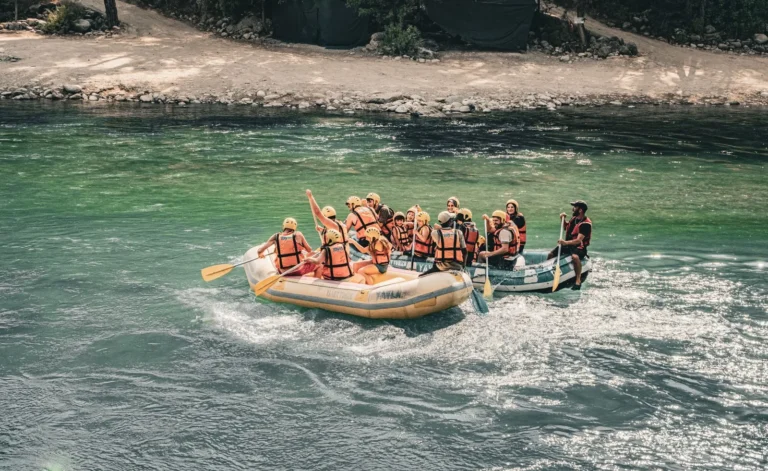
Costa Rica is the best entry point for soft adventure in the Americas. Whitewater rafting on the Pacuare River, zip-lining in Monteverde, and volcano hikes around Arenal are all doable on a one-week trip for $1,200–$2,200 per person, ground costs included.
New Zealand suits travelers who want variety without language or safety worries. Queenstown alone offers bungee jumping, jet boating, and the Routeburn Track, while the Tongariro Alpine Crossing is the country’s best single-day hike.
Iceland has become the poster child for dramatic-but-safe adventure. Glacier hikes on Vatnajökull, snorkeling between tectonic plates at Silfra, and multi-day trekking on the Laugavegur Trail all operate within a three-hour drive of Reykjavik.
The Lonely Planet best-in-travel list is updated every year and is a solid place to cross-check current destination picks against this shortlist.
How Much Does Adventure Travel Cost?
Adventure travel is not uniformly cheap, and the spread between a hostel-based independent trip and a fully guided expedition is enormous. Budget for the trip style you actually want, not the one a listicle tells you to book.
| Trip Type | Example Destination | Typical Cost Per Person (Excl. Flights) |
|---|---|---|
| Guided trekking | Nepal — Everest Base Camp | $1,500–$3,000 (two weeks) |
| Soft-adventure multi-sport | Costa Rica — Arenal & Pacuare | $1,200–$2,200 (one week) |
| Scuba / snorkeling | Red Sea — Sharm el-Sheikh | $700–$1,500 (one week) |
| African safari (budget) | Kenya — Maasai Mara | $1,800–$3,500 (one week) |
Three cost drivers explain most of the variance. First, guides and permits — in places like Nepal or on Kilimanjaro, park fees and mandatory support staff are a fixed floor you cannot negotiate away. Second, season — trekking in the Annapurnas costs roughly 20–30% more in October than in March. Third, gear — cold-weather or technical destinations add a rental or purchase bill before you ever leave home.
If you are trying to work out whether an independent trip beats a tour, start with our breakdown of how much a backpacking trip really costs and compare it line by line against a packaged quote.
Types of Adventure Travel Trips
Adventure travel is an umbrella, not a single activity. Knowing which flavor fits your fitness and tolerance for discomfort will save you from a miserable week.
- Trekking and hiking — multi-day trails like the Inca Trail, the Tour du Mont Blanc, or the W Trek in Patagonia. Expect 4–8 hours of walking per day.
- Scuba and snorkeling — liveaboard trips in the Red Sea or the Great Barrier Reef, plus shore diving in destinations such as Cozumel and the Maldives.
- Cycling — road touring in Tuscany or the Danube, or gravel routes in the Scottish Highlands.
- Wildlife safaris — game drives in Kenya, Tanzania, or South Africa, ranging from basic camping safaris to luxury lodges.
- Paddling — sea kayaking in Baja, whitewater rafting on the Zambezi, or canoeing in the Boundary Waters.
- Climbing and mountaineering — from guided via ferrata in the Dolomites to expedition peaks like Aconcagua.
Pick based on recovery, not ambition. A week of trekking at altitude is far more draining than a week of kayaking, and stacking two hard activities back to back is the most common way first-timers ruin a trip.
How to Plan Your First Adventure Trip
Planning an adventure trip is mostly about sequencing the expensive, scarce parts first: permits, guides, and season-dependent flights.
Book permits and guides before flights. Inka Trail permits sell out months ahead, and Kilimanjaro and Everest treks require licensed operators with limited seasonal capacity. Lock these in first, then build flights around the dates you land.
Match the season to the activity. Dry-season trekking in Nepal, safari season in East Africa (June–October for the migration), and summer glacier access in Iceland all follow specific windows. Skipping this step means paying full price for bad conditions.
Decide on guided versus independent, honestly. A guided trip to the Annapurnas or Patagonia costs more but removes navigation, logistics, and evacuation planning. If that is the level of support you want, the best adventure travel companies in the UK run reliable itineraries across these same regions.
Build in a buffer day. Flights into trekking hubs like Lukla or Cusco are weather-dependent. One extra day on either end of the itinerary is the cheapest insurance you will ever buy.
Space out the hard days. U.S. News & World Report’s travel section notes that altitude acclimatization and rest days are the single biggest factor in whether first-time trekkers finish — plan them, don’t improvise.
Gear, Fitness, and Insurance Essentials
Gear and preparation matter more in adventure travel than in any other trip category, because you cannot buy your way out of a problem at 4,500 meters.
Fitness. For a multi-day trek, start training 8–12 weeks out with stair-climbing or inclined walking carrying a loaded pack. For diving and kayaking, general cardio is enough. The goal is endurance, not speed.
Gear. Rent on arrival for bulky items like trekking poles, crampons, and dry bags; buy the things that must fit, especially boots and a pack. Break in trekking boots for at least a month of short walks before departure.
Insurance is not optional. A helicopter evacuation off a Himalayan trail or a tropical reef runs into five figures. Standard holiday policies often exclude activities above certain altitudes or depths, so check the fine print carefully. Look at specialist cover when you book — our guide to the best adventure travel insurance walks through the exclusions you need to watch for.
Frequently Asked Questions
What is the difference between adventure travel and regular tourism?
Adventure travel is built around a physical activity and time in nature, whereas regular tourism centers on sightseeing and relaxation. You are more likely to need permits, gear, and fitness preparation, and the itineraries leave less room for improvising.
Do I need to be fit for adventure travel?
Not necessarily. Soft-adventure trips like guided day hikes, kayaking, and safaris are manageable for most reasonably active adults. Harder trips — high-altitude trekking, expedition diving, mountaineering — require specific training and, in some cases, medical clearance.
Is adventure travel more expensive than a beach holiday?
Often, yes, because of guides, permits, and specialized gear, but not always. Independent trekking or hostel-based trips can cost less than an all-inclusive resort, while fully guided expeditions can run several thousand dollars per person.
What is the best month to go?
It depends entirely on the destination and activity. Trekking in the Himalaya peaks in spring and autumn, East African safaris run best from June to October, and Iceland’s glaciers and highland trails are accessible mainly in summer.
Can beginners do adventure travel?
Absolutely. Costa Rica, Iceland, and New Zealand are the classic starter destinations because they pair genuine adventure with strong safety infrastructure and English-speaking guiding. Pick soft-adventure activities first, then scale up as your confidence grows.
The Bottom Line
Adventure travel rewards people who plan the logistics well and respect their own limits. Choose a destination that matches your fitness honestly, lock in permits and guides before flights, and never skip the insurance. Start small — a week of rafting and hiking in Costa Rica or a trek on the Annapurna Circuit — and the harder stuff will feel reachable, not reckless.
Compare your options before you commit: check the best travel price comparison sites and our list of the best travel price comparison tools online to make sure you are paying a fair rate for any packaged trip you shortlist.